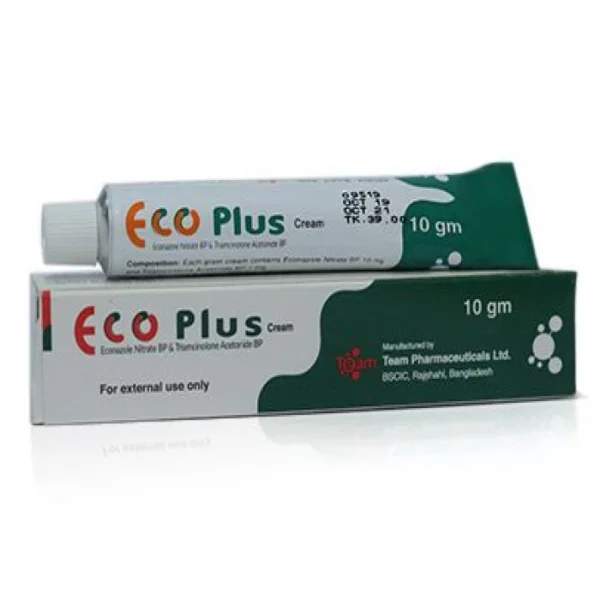
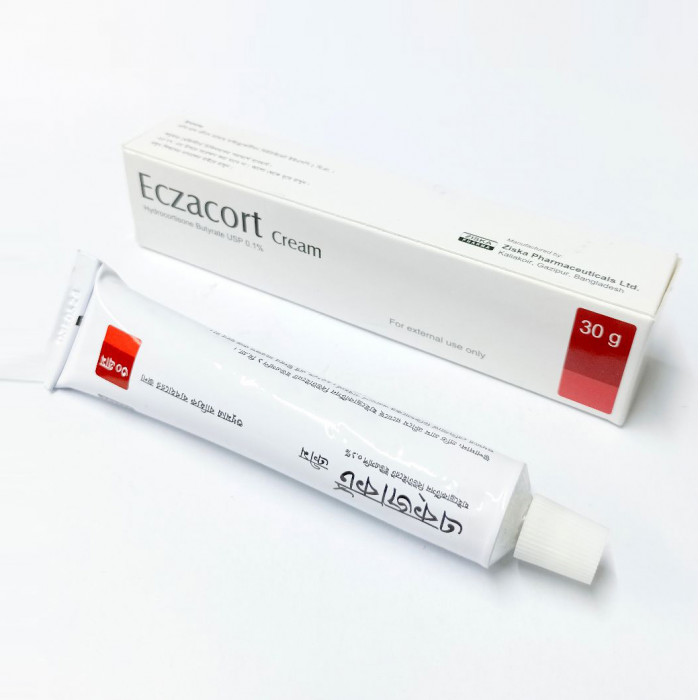
Hydrocortisone Butyrate manages all types of eczema, dermatitis, and insect bite reactions in affected individuals
Eczema refers to a group of seven chronic inflammatory skin conditions characterized by dry, itchy, scaly, and sometimes painful lesions or blisters.
1. Atopic Dermatitis:
- Most common form of eczema.
- Onset: Usually starts in childhood (2 months to 5 years) and often becomes milder or resolves by adulthood.
- Symptoms: Appears on arms, elbows, knees, scalp, and cheeks. Avoid scratching to prevent infection.
- Causes: Weakened skin barrier, genetics, dry skin, immune system issues, irritants, and stress.
2. Contact Dermatitis:
- Types: Allergic (immune reaction to irritants like latex or metal) and Irritant (direct skin damage by chemicals).
- Symptoms: Itchy, red, or discolored skin, burning, hives, blisters, thick skin.
- Causes: Detergents, bleach, jewelry, plants, skincare products, tobacco smoke, etc.
3. Dyshidrotic Eczema:
- Symptoms: Small, fluid-filled blisters on hands and feet, causing itching, pain, cracking, and flaking.
- Causes: Allergies, damp hands and feet, exposure to nickel/cobalt/chromium, stress, smoking.
4. Seborrheic Dermatitis:
- Commonly affects the scalp.
- Symptoms: Scaly, oily patches that produce dandruff-like flakes, often on the scalp, hairline, upper back, nose, and groin.
- Causes: Overproduction of Malassezia yeast due to triggers like stress, illness, hormonal changes, harsh chemicals, cold weather, and certain medical conditions.
5. Neurodermatitis:
- Symptoms: Thick, scaly, intensely itchy patches on arms, legs, neck, scalp, feet, hands, and genitals.
- Causes: Starts with an itch, which worsens with scratching, leading to rash development.
6. Nummular Eczema:
- Symptoms: Coin-shaped spots on the skin, which can be itchy, flaky, or cracked. Lasts several years without treatment.
- Causes: Possibly very dry skin, often occurs in those with other types of eczema.
7. Stasis Dermatitis:
- Common in people with poor circulation.
- Symptoms: Swelling, redness, or discolored skin on the legs and ankles, varicose veins, dry skin, and open sores.
- Causes: Blood flow issues in lower legs due to malfunctioning valves, causing blood to pool.
Diagnosis and Treatment:
- Consult a doctor if symptoms persist or interfere with life.
- No official test: Diagnosis based on medical history and physical examination.
- Treatment: Varies based on eczema type, symptom severity, and health condition. May include OTC medications, prescription medications, biologics, phototherapy, and at-home remedies.
Avoid known triggers, use moisturizers, and follow a prescribed treatment plan.



 Baby Mom
 Diabetic Care
 Health Devices
 Medicines
 Personal Care
 Sexual Wellbeing
 Vital Wellness
 Vitamins Supplements
 Women Care