


-2%
 Baby Mom
Manufacturer: Bio-Pharma
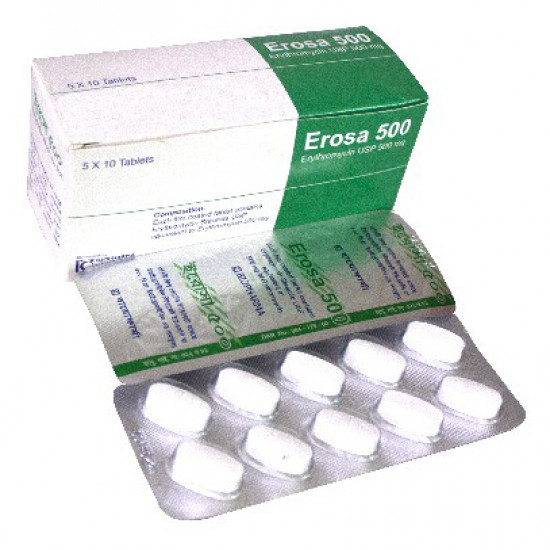
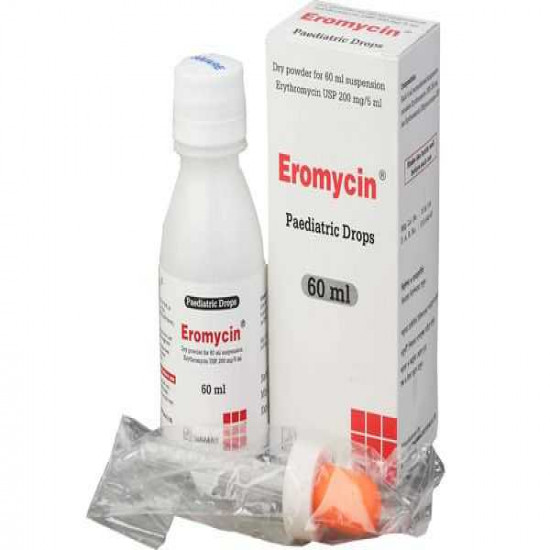
Generic: Erythromycin
Type: Tablet
Pack Size: 10 Pcs

Hurry and get discounts on all Apple devices up to 20%
Sale_coupon_15
80.00৳ Original price was: 80.00৳ .78.40৳ Current price is: 78.40৳ .
Erosa (Erythromycin)|Therapeutic Class: Anti-diarrhoeal Antimicrobial, Macrolide Antibiotic
Erosa (Erythromycin) belongs to the macrolide group of antibiotics. It acts by interfering with bacterial ribosomal protein synthesis, exerting either a bacteriostatic or bactericidal effect depending on concentration and organism susceptibility.
Erythromycin inhibits bacterial protein synthesis by binding to the 50S subunit of the ribosome, preventing translocation during translation. It does not bind to mammalian ribosomes (80S), ensuring selective antibacterial activity.
Baby Mom
No account yet?
Create an Account