


-5%

 Baby Mom
 Diabetic Care
 Health Devices
 Medicines
 Personal Care
 Sexual Wellbeing
 Vital Wellness
 Vitamins Supplements
 Women Care
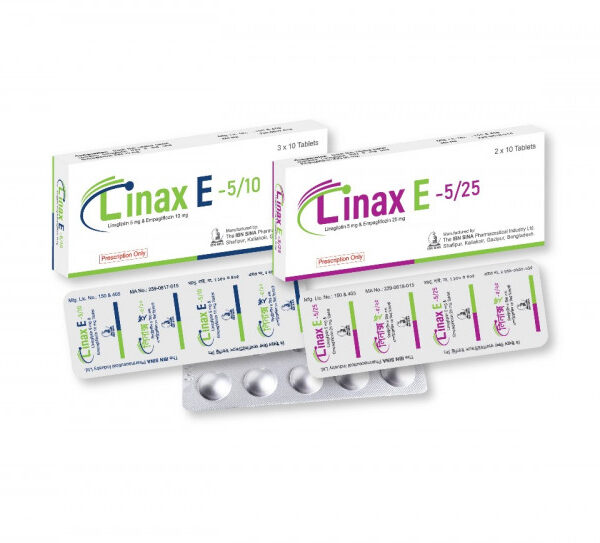

Manufacturer: Ibne Sina Pharmaceuticals
Generic: Linagliptin + metformin hydrochloride
Type: Tablet
Pack Size: 10 Pcs

Hurry and get discounts on all Apple devices up to 20%
Sale_coupon_15
110.00৳ Original price was: 110.00৳ .104.50৳ Current price is: 104.50৳ .
Linax Plus 2.5/1000 contains Linagliptin and Metformin:
Together, they provide effective control of both fasting and post-meal blood sugar levels. Take exactly as prescribed by the physician. Swallow the tablet whole with food; do not crush or chew it.
Linax Plus 2.5/1000 is a combination of two antidiabetic agents used for the management of type 2 diabetes mellitus. It helps lower elevated blood glucose levels and reduces the risk of long-term complications such as kidney damage, vision loss, heart attack, and stroke. This medicine may be prescribed alone or in combination with other glucose-lowering therapies. For best results, it should always be used alongside a balanced diet and regular physical activity.
The dosage is individualized based on the patient’s condition, blood sugar levels, and concurrent medications. It is recommended to take the tablet with food to minimize gastrointestinal discomfort. Consistent daily use at the same time helps maintain stable blood glucose control. Patients should not discontinue the medication without medical advice, as it plays an important role in long-term diabetes management.
Common side effects may include nausea, vomiting, diarrhea, abdominal discomfort, headache, sore throat, nasal congestion, and respiratory infections. When used with insulin or sulfonylureas, there is an increased risk of hypoglycemia (low blood sugar), so patients should be aware of its symptoms and management.
Before starting therapy, patients should inform their doctor about any history of kidney, liver, heart, or pancreatic disease, as well as alcohol use. It is also important to consult a physician during pregnancy or breastfeeding. Since multiple drugs may interact with this medicine, a complete medication history should be shared with the healthcare provider. Alcohol intake should be avoided as it can further lower blood sugar levels.
Regular monitoring of blood glucose and kidney function is recommended during treatment.
Baby Mom
Diabetic Care
Health Devices
Medicines
Personal Care
Sexual Wellbeing
Vital Wellness
Vitamins Supplements
Women Care