


-5%
 Baby Mom
 Diabetic Care
 Health Devices
 Medicines
 Personal Care
 Sexual Wellbeing
 Vital Wellness
 Vitamins Supplements
 Women Care
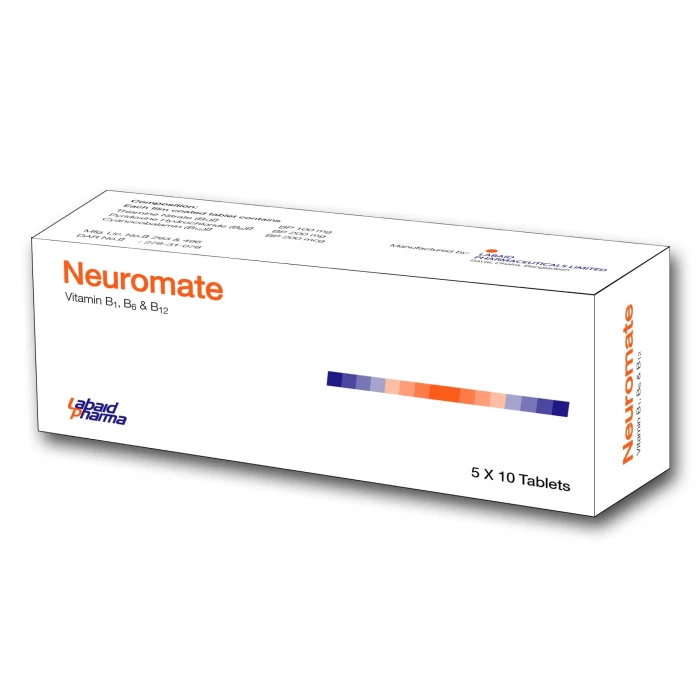
Manufacturer: Labaid Pharmaceuticals Ltd.
Generic: Vitamin B1 + Vitamin B6 + Vitamin B12
Type: Tablet
Pack Size: 10 Pcs

Hurry and get discounts on all Apple devices up to 20%
Sale_coupon_15
100.00৳ Original price was: 100.00৳ .95.00৳ Current price is: 95.00৳ .
Vitamin B1, B6 & B12 is indicated for the treatment of vitamin B1, B6 & B12 deficiency syndrome. It is also indicated for the supportive treatment of neuritis & non-inflammatory diseases of the nerves, e.g.-
Vitamin B1 converts carbohydrates, fatty acids, and amino acids into energy, promotes healthy nerves, improves mood, and strengthens the heart. Vitamin B6 forms red blood cells, helps cells make protein, produces neurotransmitters such as serotonin, releases stored forms of energy, helps prevent CVS disease and strokes, helps relieve depression, and alleviates insomnia. Vitamin B12 is essential for cell replication and is also important for red blood cell production. It can prevent anemia, help prevent depression, reduce nerve pain, numbness, and tingling, and reduce the risk of heart disease.
Vitamins are well absorbed each time they are taken by mouth. It is widely distributed in most tissues and is found in breast milk. In the cell, thiamine exists mainly in the form of diphosphate. Thiamine is not stored in the body at any detectable level, and the amount that exceeds the body’s needs is excreted in the urine as thiamine or unchanged metabolites. After oral administration, pyridoxine, pyridoxal, and pyridoxamine are readily absorbed from the gastrointestinal tract and converted to the active forms of pyridoxal phosphate and pyridoxamine phosphate. They are mainly stored in the liver, where they are oxidized to 4 pyridoxine and other inactive metabolites, which are excreted in the urine. As the dose increases, the amount of urine excreted in the original form increases proportionally.
Baby Mom
Diabetic Care
Health Devices
Medicines
Personal Care
Sexual Wellbeing
Vital Wellness
Vitamins Supplements
Women Care